System Design
-
Inherited Untested Code? Scale Will Expose the Seams
An inherited codebase can survive a traffic increase while quietly returning the wrong customer’s order, charging twice, or showing a status that never existed. For a QA engineer, those failures matter more than a slower p95 response. My position is that the first scaling risk to investigate is a broken business invariant under concurrency, not…
-
Scope an Architecture Upgrade Without Rewriting the Product
Scaling an existing product rarely starts with a clean architectural decision: it starts with a roadmap, a release process, and code that still serves customers. My position is that a product manager should fund one reversible change at a time, tied to a measured constraint. A target architecture can guide those changes, but funding the…
-
Scope Architecture Changes Without Rewriting the Codebase
An existing codebase rarely needs a new architecture everywhere. It needs one costly boundary made safer to change. For a product manager, the hard part is resisting a migration plan that sounds coherent but has no release-sized first step. I would fund a narrow change tied to a product outcome, keep the rest of the…
-

What fails first when your simple API hits 10x traffic
Your app will probably fail at the edges before its algorithms fail. I take the unpopular position that the first scaling fix should usually be less code, more pressure, and stricter failure budgets. Junior developers are often told to “optimize the slow endpoint,” but the earlier breakage is usually connection waiting, retry storms, stale caches,…
-
Case Study: Cutting API Latency 40 Percent with Caching
Performance Engineering for Reliable, Scalable, and Faster Software Modern users expect software to load instantly, respond smoothly, and remain stable under heavy demand. Performance engineering is the discipline that makes this possible by combining architecture, testing, monitoring, and continuous optimization. This article explains how teams can build faster applications, identify bottlenecks early, and create a…
-
Event-Driven Architecture Patterns for Scalable Systems
Event-driven architecture has become a cornerstone of modern software design because it helps organizations build systems that react quickly, scale efficiently, and integrate cleanly across services. This article explores how event-driven architecture patterns work, why they matter in distributed environments, and which implementation choices influence reliability, scalability, and business agility in real-world systems. Understanding Event-Driven…
-
Engineering Mindset for Building Reliable Software
Software teams rarely struggle because they lack tools alone; more often, they struggle because habits, decisions, and priorities are not guided by a strong engineering mindset. This article explores what that mindset really means, how it shapes daily software development, and why it influences quality, speed, and collaboration. It also examines practical ways teams can…
-
AI Code Review Experiment Results in 30 Days
Modern software delivery depends on speed, reliability, and the ability to adapt without breaking critical systems. DevOps automation has become the framework that makes this possible, connecting development, operations, testing, and security into a continuous flow of work. This article explores how DevOps automation improves delivery, where it creates measurable business value, and how teams…
-
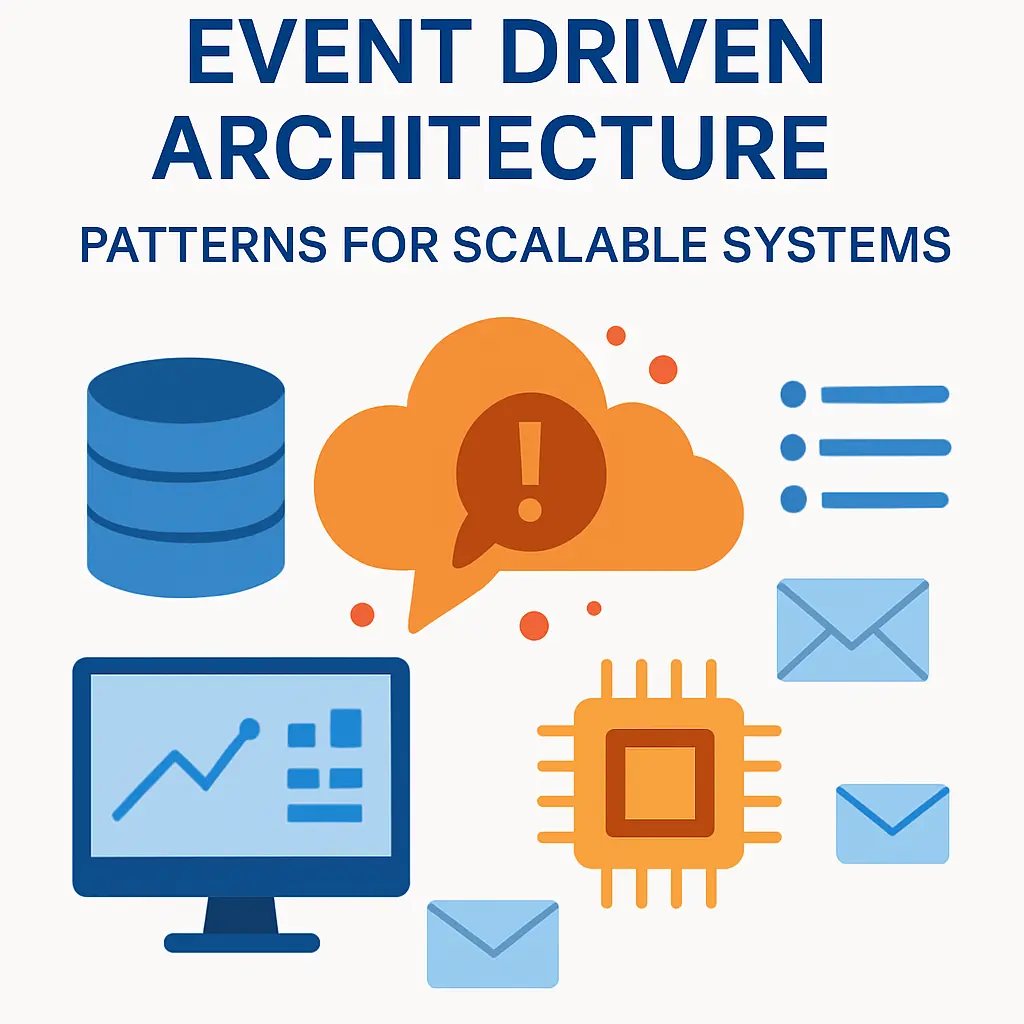
Event Driven Architecture Patterns for Scalable Systems
Modern software rarely succeeds by accident. As user expectations rise and systems become more distributed, architecture decisions shape performance, reliability, cost, and future growth. This article explores how scalable architecture is designed in practice, from core structural principles to event-driven communication and operational trade-offs, so readers can understand not only which patterns matter, but why…
-
Engineering Mindset: Build Better Software Daily
Modern software teams face a constant challenge: building fast without sacrificing reliability, clarity, or long-term value. The key to solving that tension is not only better tools, but a stronger engineering mindset. This article explores how disciplined thinking, quality-focused habits, and practical decision-making improve software development from planning to delivery, helping teams create products that…