DevOps & Automation
Continuous Integration & Deployment
Infrastructure as Code
Monitoring & Observability
Automation Workflows
-

Automation that ships secrets why DevOps finds out last
Release automation becomes dangerous after it starts working. My unpopular position is that a production DevOps team should deliberately slow down some automated paths, because the privacy and security failures created by “fast by default” are harder to repair than a missed deployment window. The painful surprises usually sit in logs, tokens, artifacts, and approvals,…
-
Automation that passes audits but leaks secrets in prod
Fast release automation usually looks secure until production support has to explain where tokens, logs, artifacts, SBOMs, and copied customer data went. My position: the safest high-speed DevOps systems deliberately add friction around identity and data retention, because most release incidents are quiet privacy failures before they become visible outages. Faster pipelines leak context before…
-
Build a CI CD pipeline in 2 days then decide buy vs build
A CTO should not start CI/CD by building a platform team. Start by buying the CI control plane and building only the release conventions that encode your risk. That position is easy to disagree with, especially if your engineers enjoy infrastructure, but it wins early because the first constraint is trustworthy repetition, not platform originality.…
-
Top Tools and Technologies for Modern Software Development
Modern software development depends on more than talented engineers; it depends on the systems, tools, and practices that help teams turn ideas into reliable products. This article explores how development environments, automation, cloud platforms, collaboration workflows, testing, security, and delivery pipelines work together to improve speed, quality, and long-term maintainability. Building the Foundation for Modern…
-
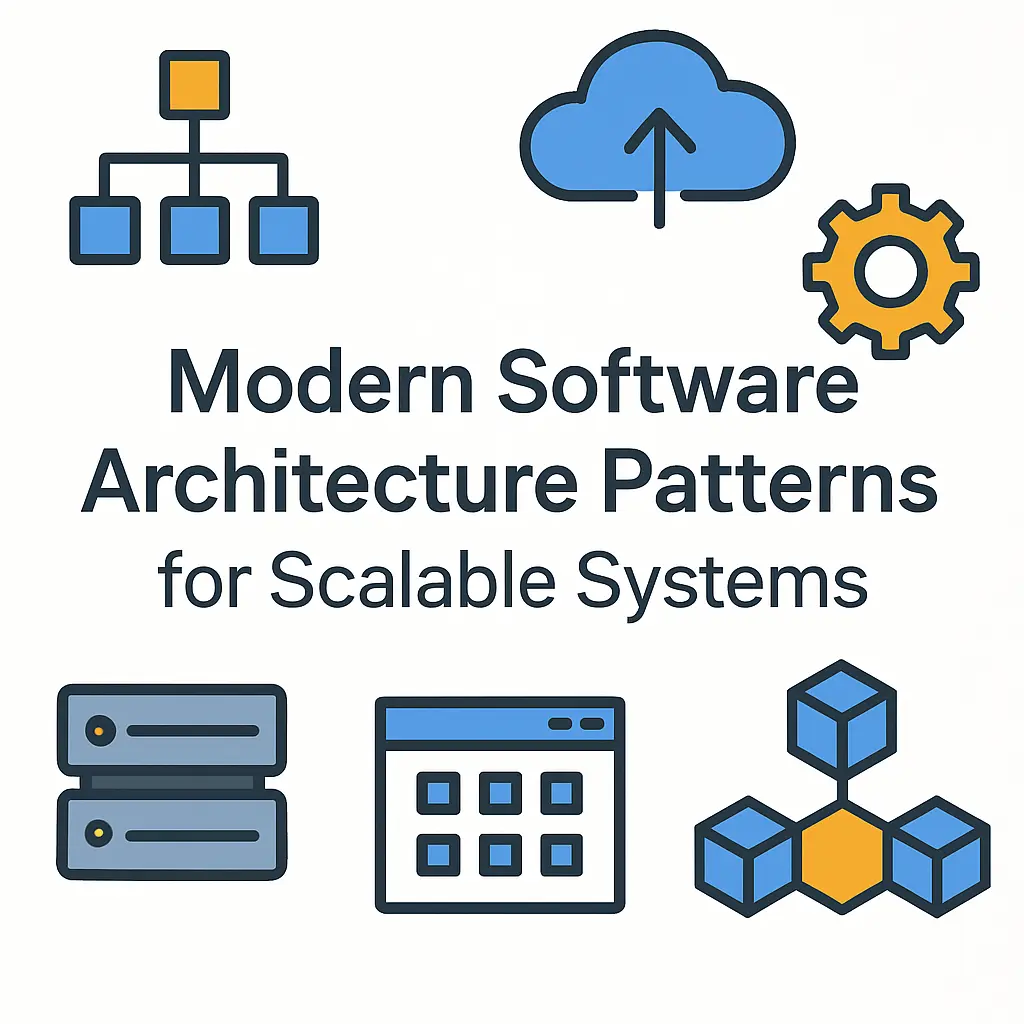
Modern Software Architecture Patterns for Scalable Systems
Designing Scalable Software Architecture for Modern Systems Scalable software architecture is the foundation of digital products that must grow without becoming slow, fragile, or expensive to maintain. This article explains how modern systems handle increasing users, data, traffic, and feature complexity. We will explore architectural principles, practical patterns, event-driven design, operational concerns, and the trade-offs…
-

Case Study: Cutting Dev Time with AI Code Reviews
Artificial intelligence is reshaping how software teams build, test, release, and improve applications. From faster code analysis to smarter deployment decisions, AI is moving DevOps from reactive operations to predictive, adaptive delivery. This article explores how AI and machine learning strengthen modern DevOps automation, where they create measurable value, and what teams must consider to…
-
DevOps Automation Tips for Faster Software Releases
Modern software teams are under constant pressure to release features faster without sacrificing reliability, security, or user experience. DevOps automation has become the backbone of that balance, turning repetitive manual work into consistent, measurable processes. This article explores how automation improves delivery speed, what practices create lasting results, and how teams can scale automation intelligently…
-
DevOps Automation Best Practices for Faster Software Delivery
DevOps automation has become a defining capability for software teams that want to deliver quickly without sacrificing quality, security, or stability. This article explores how automation works across the software delivery lifecycle, why it matters strategically, and which practices help organizations scale it successfully. It also examines common pitfalls and the operational mindset required to…
-
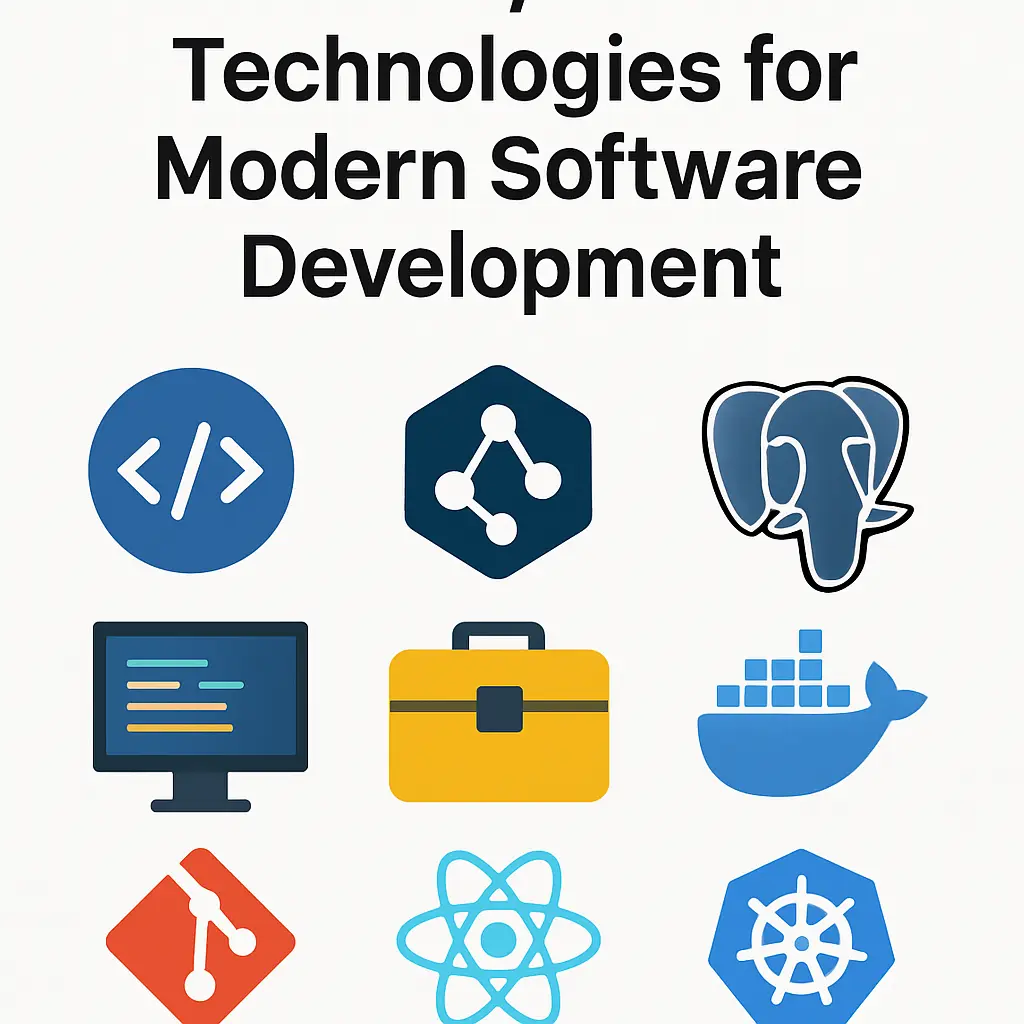
Top Tools and Technologies for Modern Software Development
Modern software delivery depends on more than writing code quickly. Teams need repeatable workflows, reliable infrastructure, strong collaboration, and automation that supports quality at every step. This article explores how development and operations practices connect, which technologies matter most, and how organizations can build a toolchain that improves speed without sacrificing stability, security, or long-term…
-

Performance Engineering Tips for Faster Software Apps
Modern users expect software to respond instantly, scale smoothly, and remain reliable under pressure. That is why performance engineering has become a core discipline rather than a final testing step. This article explores how teams can build faster software through measurement, architecture, code optimization, and continuous validation, showing how performance decisions connect from product goals…