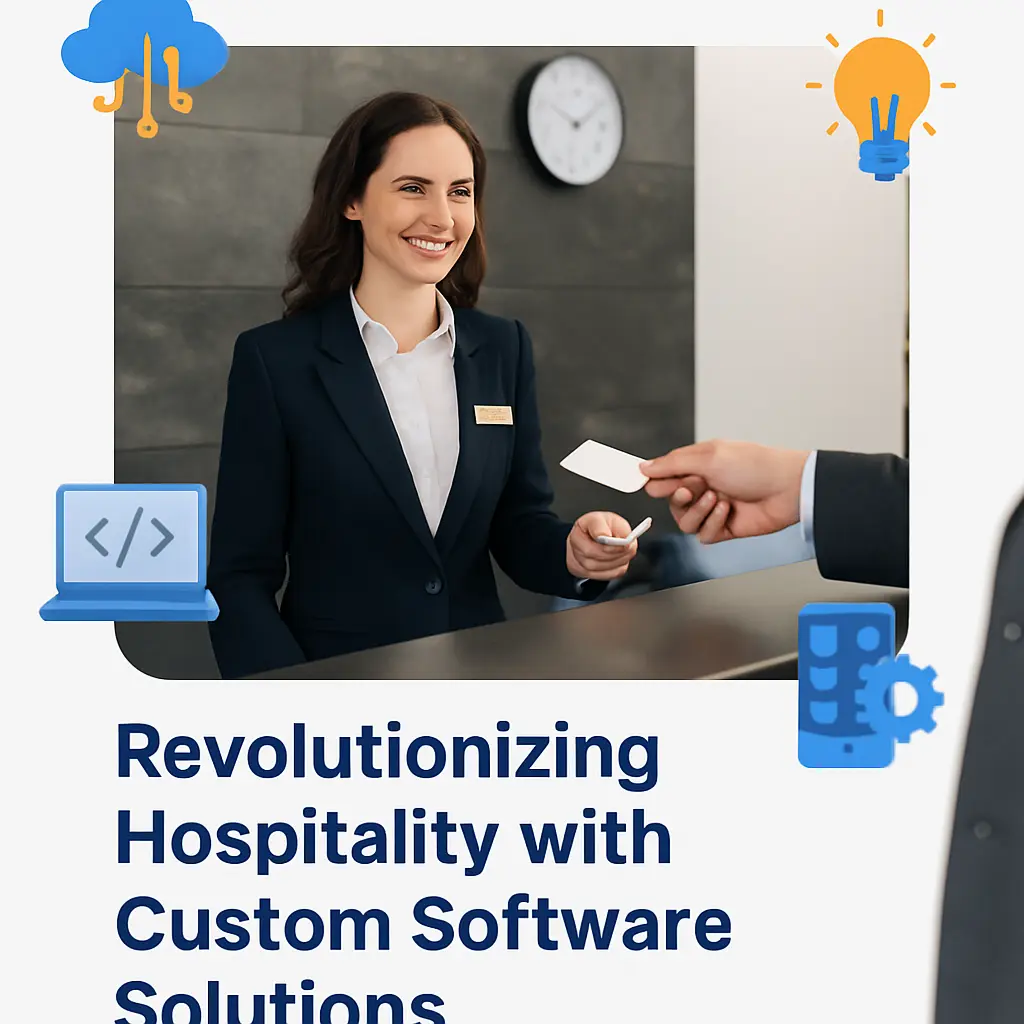
In the rapidly evolving landscape of travel and hospitality, the demand for seamless, innovative digital solutions has never been higher. Businesses are harnessing technology to enhance guest experiences, streamline operations, and gain a competitive edge. This article explores how hospitality software development services and custom software application development are revolutionizing the industry, delivering value-driven results and transforming the way hospitality businesses operate.
Leveraging Digital Transformation in Hospitality: The Need for Tailored Software Solutions
The hospitality industry thrives on exceptional customer experiences, operational efficiency, and adaptability to shifting consumer trends. In today’s digital era, hotels, travel agencies, resorts, and event management companies recognize that generic, off-the-shelf software solutions can no longer keep pace with complex and dynamic business needs.
Tailored hospitality software development services have emerged as game-changers, enabling businesses to address pain points unique to their customer journey and internal workflows. Highly specialized software can integrate booking engines, contactless check-in/check-out processes, personalized marketing, property management, revenue optimization, guest relations management, and even smart room automation—all under one seamless ecosystem.
Operational excellence and personalized guest experiences are no longer optional—they are strategic imperatives. As travelers demand more bespoke and frictionless interactions, custom digital platforms empower hospitality brands to:
- Enhance the guest journey: From pre-booking to post-stay, technology enables a unified and memorable experience—with personalized offers, loyalty rewards, guest feedback collection, and omnichannel communication.
- Automate and streamline back-office operations: Inventory, housekeeping, event scheduling, maintenance, analytics, and reporting can all be orchestrated for peak efficiency, reducing human error and operational bottlenecks.
- Integrate with external platforms: Channel management, payment processing, travel aggregators, and social media can be seamlessly connected, ensuring real-time data flow, booking synchronization, and brand consistency.
- Maintain robust security and compliance: With sensitive customer and payment data at play, purpose-built applications can address PCI, GDPR, and industry standards, safeguarding your reputation and customers.
Digital transformation in hospitality is not just about keeping up—it’s about staying ahead. The most successful businesses harness innovative software solutions to create a distinct brand, increase revenue, and adapt quickly to market changes.
Custom Software Application Development: Unlocking Competitive Advantages for Hospitality Brands
As the hospitality sector leaps toward a data-driven future, the simple adoption of generic platforms is being replaced by the strategic deployment of custom software applications. Custom software application development empowers travel and hospitality businesses to design, build, and refine tech stacks that align precisely with brand vision and business objectives.
Why should hospitality businesses prioritize custom software?
- Tailored Functionality: Every hospitality brand has unique requirements—be it chain hotels needing unified management across locations, boutique hotels craving hyper-personalized service, or travel agencies integrating multi-channel sales. Custom solutions deliver features that fit like a glove, eliminating wasted cost on unnecessary modules.
- Scalability and Future-Proofing: Growth often introduces complexity. Custom software is inherently more scalable, enabling businesses to add functionalities, expand to new markets, or accommodate changing guest demands without overhauling their entire tech ecosystem.
- Integration and Interoperability: Modern businesses leverage a web of platforms—CRM, analytics, IoT devices, and third-party distribution channels. Custom-built applications can be architected for smooth interoperability, centralized data flow, and automated workflows—leading to smarter decision-making and agile adaptations.
- Cost Efficiency: While upfront investments may be higher, custom solutions often lead to long-term savings by reducing licensing fees, minimizing manual processes, and driving additional revenues through enhanced guest satisfaction and retention.
- Security by Design: Data privacy regulations and cyber threats persist as major concerns. Custom-built applications can focus on end-to-end encryption, user authentication, and compliance requirements from the ground up, protecting brand integrity and customer trust.
Consider a mid-sized resort chain seeking to scale globally. Off-the-shelf property management systems may lack multi-currency support, language localization, or loyalty integrations that the brand requires. Meanwhile, a custom-built platform can address such specificities, enable tailored offerings for diverse markets, and ensure rapid adaptation to new regulatory requirements or business models.
The Development Journey: Best Practices for Implementing Hospitality Software Solutions
Designing and deploying high-quality software applications in hospitality calls for a methodical approach—spanning strategy, implementation, and continuous improvement. Here’s what leading businesses do to ensure success:
- Strategic Discovery and Needs Assessment: Deeply analyze operational workflows, guest profiles, and competitive landscape to define the technology scope. Involve cross-functional teams from IT, operations, front line, and marketing to avoid blind spots.
- User-Centered Design: The ultimate user of any hospitality software is either your staff or your guest. Engaging stakeholders in prototyping, validating design, and usability testing ensures the final product truly solves real challenges.
- Agile Development and Integration: Breaking down projects into incremental sprints accelerates delivery and allows rapid iteration based on real feedback. Integrate with existing infrastructure—whether legacy PMS systems, payment gateways, or CRM platforms—without business disruption.
- Security-First Mindset: Prioritize data integrity, privacy, and compliance from the initial architecture through to deployment and ongoing support. Address evolving threats and regulatory changes through proactive updates and monitoring.
- Measuring Impact and Continuous Improvement: Launch is just the beginning—track KPIs such as booking conversion rates, guest satisfaction scores, operational cost savings, and system uptime. Gather feedback and evolve the solution as market demands shift.
This closed feedback loop is especially vital in the hospitality sector, where guest preferences, market conditions, and compliance regulations can evolve rapidly. The ability to adapt a custom software stack over time ensures continued value and relevance.
Future Trends: How Emerging Technologies Are Shaping Hospitality Software
The industry is on the cusp of significant innovation, with several trends redefining the expectations of both guests and companies:
- AI and Machine Learning: Powerful algorithms now deliver hyper-personalized offers, predict demand patterns, automate concierge services, and even identify at-risk reservations—unlocking new opportunities for revenue optimization and service enhancement.
- Internet of Things (IoT): Smart rooms, connected devices, and sensor-fueled automation are being deployed for energy management, contactless controls, predictive maintenance, and context-aware guest experiences.
- Voice and Chat Interfaces: From AI-powered chatbots handling reservations to in-room voice assistants delivering information and entertainment, conversational design is forging new avenues for engagement and upselling.
- Blockchain and Secure Payments: Digital ledgers can streamline cross-border transactions, enable tamper-proof loyalty rewards, and enhance end-to-end transaction transparency.
- Sustainable IT: As hospitality firms commit to greener operations, custom software can optimize resource consumption, measure carbon footprints, and promote eco-friendly guest options.
Adopting the right mix of these innovations—anchored by a custom, scalable, and secure software backbone—not only enhances day-to-day operations but also positions hospitality brands at the forefront of global trends.
Conclusion
In conclusion, the future of hospitality hinges on robust digital transformation, powered by both industry-specific software and bespoke solutions. By investing in hospitality software development services and embracing custom software application development, businesses can delight guests, improve efficiency, and future-proof their operations. These investments mark not just an upgrade in technology, but a bold step toward delivering exceptional hospitality in a connected, digital world.