Introduction
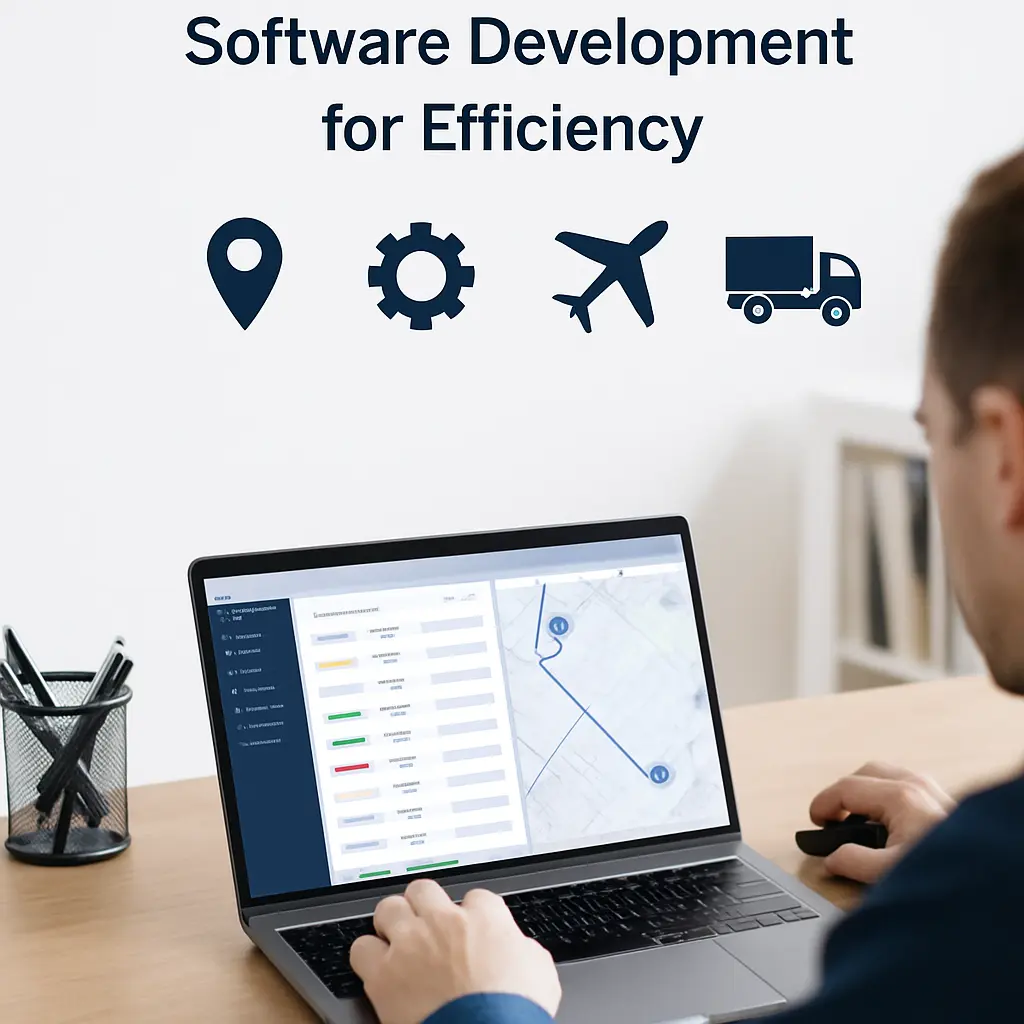
The digital revolution is profoundly transforming the transportation and logistics industry, with advanced software solutions driving efficiency, transparency, and scalability. Businesses now depend on sophisticated platforms to stay competitive, optimize operations, and respond rapidly to market demands. In this article, we’ll examine the significance of specialized transportation and logistics software development, the value of partnering with expert providers, and the critical role of custom software solutions in this dynamic sector.
Why Transportation and Logistics Companies Rely on Expert Software Development
The global transportation and logistics field faces unique challenges, including fluctuating fuel costs, growing customer expectations, compliance complexities, and evolving supply chain dynamics. To address these hurdles, companies increasingly turn to digital transformation, leveraging tailored software solutions that offer:
- Real-Time Visibility: Accurate, up-to-the-minute information on cargo, fleet status, and delivery times greatly improves decision-making and customer trust.
- Automation: From route optimization to document generation, automated processes eliminate bottlenecks and reduce human errors.
- Cost Efficiency: Advanced analytics and data-driven insights enable efficient resource allocation, curbing operational costs and waste.
- Risk Management: Proactive monitoring, predictive analytics, and incident response help manage uncertainties related to weather, regulations, or disruptions.
- Integration Capabilities: Seamless connections with third-party tools, partners, clients, and internal systems ensure uninterrupted data flow across the entire supply chain.
A specialized transportation software development company possesses deep domain expertise—an essential foundation for understanding logistics workflows, regulatory requirements, and best industry practices. These companies don’t simply deliver code; they engineer scalable solutions crafted for freight brokers, carriers, shippers, warehouse operators, and last-mile services alike.
Key benefits of partnering with expert transportation software developers include:
- Streamlined Operations: Enhanced cargo tracking, efficient inventory management, and accurate delivery scheduling that scales with business growth.
- Competitive Differentiation: Unique functionality and industry-focused features that help businesses stand out.
- Future-Proofing: Modular design and flexible architecture capable of adapting to industry evolution, new regulations, and emerging customer needs.
Modern transportation solutions also maximize mobility by incorporating mobile apps for drivers and field teams, cloud-powered dashboards for planners, and IoT sensors in vehicles and warehouses. Artificial intelligence (AI) and machine learning further empower route planning, demand forecasting, and real-time anomaly detection. These capabilities, intertwined with robust security features and compliance tools, equip businesses to thrive amid technological shifts and competitive pressures.
The Strategic Advantage of Custom Software in Transportation and Logistics
While off-the-shelf software platforms may suffice for generic needs, logistics and transportation operations are rarely one-size-fits-all. Each supply chain network is distinct, with diverse fleets, regulatory jurisdictions, legacy systems, and integration priorities. The answer lies in working with seasoned custom software developers who can craft tailored solutions aligned with specific business models and market niches.
Here’s why custom development is particularly vital in the logistics and transportation sector:
- Process Alignment: Custom solutions mirror the real-world logic and structure of your unique workflows, enhancing automation and usability.
- Integration with Legacy Systems: Many firms rely on established technologies like TMS, WMS, ERP, or GPS tracking—custom development bridges the gap for seamless, unified data environments.
- Scalability: Tailored applications grow as your business expands, handling rising transaction volumes, new depot locations, or multi-modal logistics strategies.
- Regulatory Compliance: Customized platforms offer built-in compliance tools for complex international shipping rules, ELD mandates, or sustainability requirements, eliminating manual oversight risks.
- Data Security: Sensitive freight and transaction data demand heightened security. Custom development provides granular access control, activity monitoring, and robust encryption tailored to business-critical operations.
- Innovation and Competitive Edge: Unique features, such as predictive ETA algorithms, dynamic fleet assignment, or blockchain-powered document management, can be precisely engineered to meet evolving market needs.
Key Custom Solutions in Transportation and Logistics
- Transportation Management Systems (TMS): Tailored TMS platforms centralize route planning, carrier communication, contract management, and freight auditing under one customizable dashboard.
- Warehouse Management Systems (WMS): Custom WMS automate inventory control, cross-docking, workforce scheduling, and barcode scanning with bespoke reporting and analytics.
- Fleet Management Solutions: Monitor vehicle health, driver behavior, fuel efficiency, and optimize dispatch with tools designed for specific fleet profiles—from trucking to maritime, rail, or air cargo.
- Mobile Applications: Extend real-time updates, delivery confirmations, navigation, and digital document signing directly to drivers and field staff, reducing paperwork and improving on-the-go communication.
- Supply Chain Visibility Platforms: Aggregate and unify data from IoT sensors, GPS, shipment tracking, and partner systems, providing actionable insights across the entire delivery lifecycle.
- Analytics and Reporting Engines: Custom analytics modules dissect operational data, unveiling cost-saving opportunities, performance trends, and risk outliers.
- Customer Portals: Branded web and mobile interfaces empower clients to book shipments, view cargo status, manage documentation, and directly interact with logistics providers.
Choosing the Right Custom Software Partner
Selecting a software development partner is a strategic decision with lasting operational and financial ramifications. The ideal vendor offers:
- Industry Knowledge: Proven experience in the transportation and logistics domain, with case studies and references in analogous projects.
- Full-Cycle Development: End-to-end services, from business analysis and UI/UX design, to QA, integration, deployment, and post-launch support.
- Technological Versatility: Mastery of cloud, mobile, AI, machine learning, IoT, and cybersecurity for truly future-proof solutions.
- Collaboration and Transparency: Agile development methodology, regular status updates, and interactive feedback loops ensure alignment with business goals.
A reliable partner can dramatically accelerate your digital transformation—delivering solutions that boost profitability, operational agility, and customer satisfaction.
Conclusion
Modern transportation and logistics are defined by agility, transparency, and innovation—all of which are fueled by industry-specific software solutions. By partnering with seasoned developers, businesses unlock greater efficiency, competitive edge, and long-term adaptability. Investing in the right software marks a decisive step toward sustainable growth and operational excellence in today’s demanding logistics landscape.